Table of Contents
- What Is Menstrual Wellness?
- Why Nutrition Matters Throughout Your Menstrual Cycle
- Can Vitamins Improve Menstrual Wellness?
- The Best Vitamins for Menstrual Wellness
- Vitamin B6
- Magnesium
- Iron
- Vitamin D
- Zinc
- Calcium
- Folate
- Vitamin E
- Should You Take a Menstrual Wellness Supplement?
- Foods That Support Menstrual Wellness
- Frequently Asked Questions
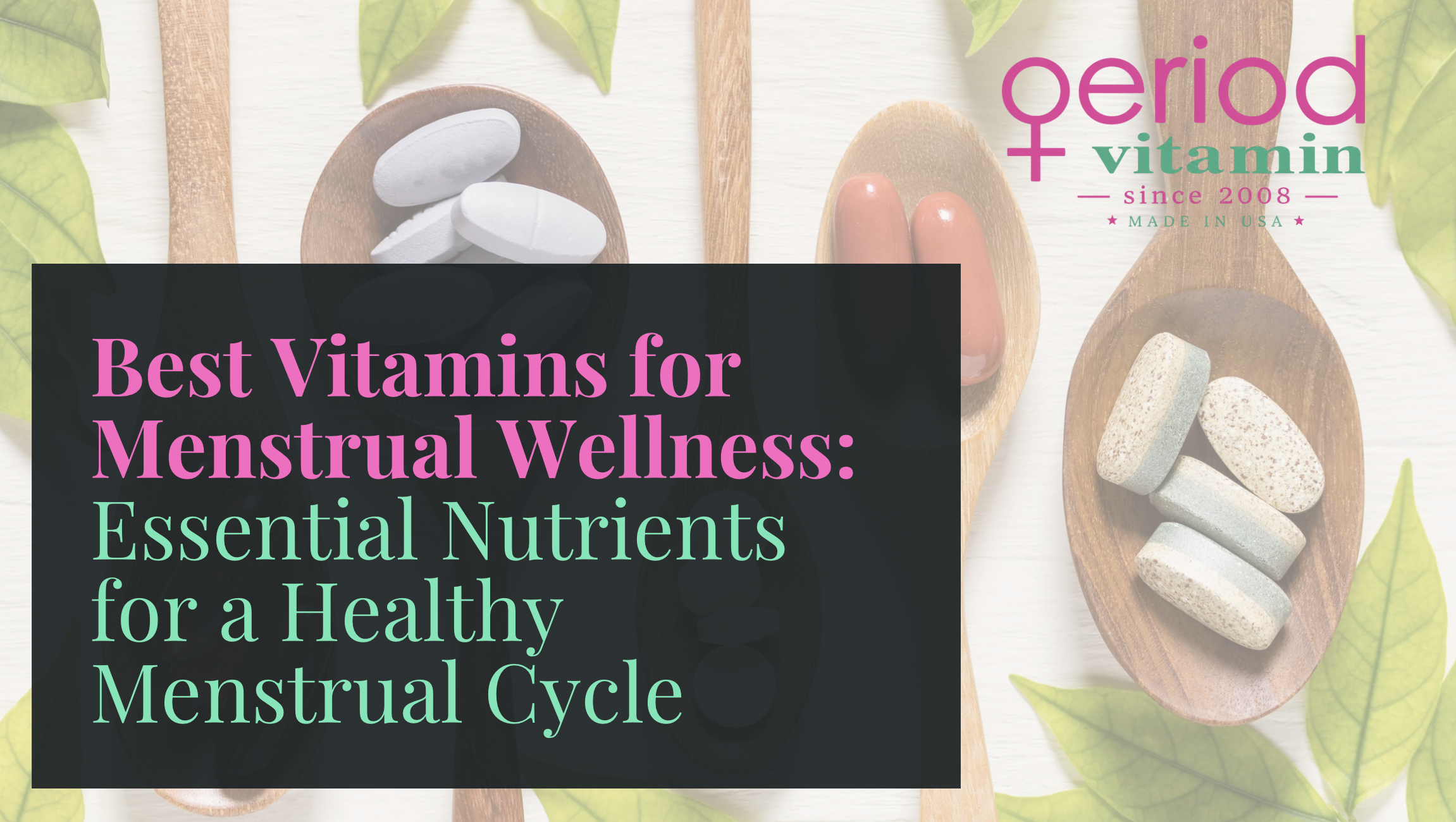
Best Vitamins for Menstrual Wellness: Essential Nutrients for a Healthy Menstrual Cycle
Your menstrual cycle is much more than the few days you spend having your period. Throughout the month, your body goes through a carefully coordinated series of hormonal changes that influence your reproductive system, energy levels, metabolism, mood, sleep, appetite, and many other functions.
Supporting your body through these changes begins with good nutrition. Every cell in your body depends on vitamins and minerals to perform normal functions, from producing energy and maintaining healthy bones to supporting muscles, nerves, and the immune system.
No single vitamin can guarantee a symptom free period or replace medical treatment for menstrual disorders. However, consistently eating a nutrient rich diet helps your body function as it was designed to. When nutrient intake is inadequate, some women may also benefit from dietary supplements after discussing their individual needs with a healthcare professional.
In this guide, you’ll learn which vitamins and minerals are most important for menstrual wellness, why they matter, where to find them in food, and how they fit into an overall healthy lifestyle.
What Is Menstrual Wellness?
Menstrual wellness refers to supporting your overall health throughout every phase of your menstrual cycle rather than focusing only on the days you are menstruating.
A healthy menstrual cycle depends on many body systems working together. Hormones communicate with the brain and reproductive organs. Muscles contract normally. Blood carries oxygen and nutrients throughout the body. Bones constantly rebuild themselves. The immune system protects against illness, and cells continually grow and repair themselves.
These processes require a steady supply of vitamins, minerals, protein, healthy fats, carbohydrates, water, and adequate sleep.
Because every woman is unique, menstrual wellness also looks different from person to person. Some women experience very few noticeable changes throughout the month, while others notice changes in energy, appetite, mood, skin, or physical comfort as hormone levels naturally rise and fall.
Rather than searching for a quick fix, menstrual wellness focuses on building healthy daily habits that support your body over time.
Why PMS Symptoms Can Feel Different Every Month
Why Nutrition Matters Throughout Your Menstrual Cycle
Many people think about nutrition only when their period begins, but your body’s nutritional needs continue throughout the entire month.
During the menstrual phase, your body sheds the lining of the uterus. This process results in blood loss, which also means some iron is lost.
As the follicular phase begins, estrogen gradually increases while follicles develop in the ovaries. Around the middle of the cycle, ovulation occurs when a mature egg is released. During the luteal phase, progesterone becomes the dominant hormone as the body prepares for a possible pregnancy. If pregnancy does not occur, hormone levels decline and the next menstrual period begins.
Each of these phases involves countless biological processes that depend on adequate nutrition.
Iron supports the production of healthy red blood cells after menstrual blood loss. Vitamin B6 contributes to normal hormone activity. Magnesium helps support muscle and nerve function. Calcium and vitamin D work together to maintain healthy bones, while zinc supports healthy cell growth and immune function.
Although each nutrient has its own role, they work together as part of a much larger system. This is one reason why eating a varied, balanced diet is far more beneficial than relying on a single nutrient.
Can Vitamins Improve Menstrual Wellness?
This is one of the questions women ask most often.
The answer is that vitamins support your body’s normal functions, but they are not medications.
Your body cannot make most vitamins and minerals on its own, so they must come from food or, when appropriate, dietary supplements. These nutrients are involved in thousands of chemical reactions that occur every day. They help produce energy from the foods you eat, maintain healthy muscles and nerves, support immune function, and contribute to normal hormone activity.
If your diet consistently falls short of important nutrients, your body may not function as efficiently as it could. Correcting nutritional deficiencies can help support overall health, but supplements should never be viewed as a substitute for a balanced diet or professional medical care.
Current research continues to investigate the relationship between nutrition and menstrual health. While scientists are still learning about many of these connections, experts consistently recommend a healthy eating pattern that provides adequate amounts of essential vitamins and minerals.
The Best Vitamins for Menstrual Wellness
Although your body needs dozens of vitamins and minerals to stay healthy, several nutrients are especially important because of the roles they play in energy production, hormone activity, muscle function, bone health, immune support, and red blood cell formation.
These include vitamin B6, magnesium, iron, vitamin D, zinc, calcium, folate, and vitamin E. Together, they help support many of the body’s normal processes throughout the menstrual cycle.
Let’s take a closer look at each one.
Vitamin B6
Vitamin B6 is one of the most important vitamins involved in normal hormone activity. It also contributes to healthy brain function, energy metabolism, protein metabolism, nervous system function, and the production of red blood cells.
Because vitamin B6 participates in so many biological processes, maintaining adequate intake throughout the month is important for overall health.
Many foods naturally contain vitamin B6, making it possible for most people to meet their daily needs through a balanced diet. Chicken, turkey, salmon, tuna, potatoes, bananas, chickpeas, and fortified breakfast cereals are all good sources.
Most adult women need between 1.3 and 1.7 milligrams each day, depending on age and life stage.
Magnesium
Magnesium is involved in more than three hundred enzyme reactions throughout the body. It plays an important role in muscle contraction, nerve signaling, energy production, protein synthesis, and maintaining healthy bones.
Despite its importance, magnesium is one of the nutrients that many adults do not consume in adequate amounts.
Magnesium rich foods include pumpkin seeds, almonds, cashews, spinach, black beans, whole grains, and dark chocolate. Including these foods regularly can help support healthy magnesium intake.
The recommended intake for most adult women is between 310 and 320 milligrams per day.
Researchers continue to study magnesium and women’s health, but there is broad agreement that maintaining adequate magnesium intake is an important part of supporting overall wellness.
Iron
Iron is one of the most important minerals for women of reproductive age because menstruation increases iron requirements.
Every menstrual period involves some blood loss, and blood contains iron. Women with heavier periods may lose significantly more iron than women with lighter periods, making iron deficiency more likely.
Iron is essential for producing hemoglobin, the protein inside red blood cells that carries oxygen throughout the body. Without enough iron, oxygen delivery becomes less efficient, which may contribute to fatigue and reduced physical performance.
Lean beef, seafood, beans, lentils, tofu, spinach, and iron fortified cereals are excellent dietary sources.
Vitamin C rich foods such as oranges, strawberries, kiwi, tomatoes, and bell peppers can improve the absorption of plant based iron, making them excellent additions to meals.
Because excessive iron intake can also be harmful, iron supplements should only be taken when recommended by a healthcare professional.
5 Signs Your Body May Need More Iron During Your Period
Vitamin D
Vitamin D is well known for supporting healthy bones, but its role extends far beyond the skeletal system.
It contributes to normal immune function, muscle function, calcium absorption, and healthy cell growth. Researchers also continue to investigate how vitamin D status may influence different aspects of women’s health.
Unlike most vitamins, vitamin D can be produced in the skin after exposure to sunlight. However, many people still have low vitamin D levels because of limited sun exposure, sunscreen use, geographic location, skin pigmentation, or dietary habits.
Foods that naturally contain vitamin D include salmon, sardines, egg yolks, and fortified dairy products.
Maintaining healthy vitamin D levels supports overall health throughout every stage of life, including the reproductive years.
Zinc
Zinc is a trace mineral that your body needs every day, even though only small amounts are required. It supports hundreds of biological processes that keep your body functioning normally.
For menstrual wellness, zinc is important because it contributes to normal immune function, healthy cell growth, wound healing, protein synthesis, and DNA production. These processes occur continuously throughout the menstrual cycle as the body prepares for ovulation, supports reproductive tissues, and renews cells.
Scientists continue to study zinc’s relationship with women’s reproductive health. While research is ongoing, maintaining adequate zinc intake remains an important part of a healthy diet.
Food Sources
Excellent sources of zinc include oysters, beef, poultry, pumpkin seeds, chickpeas, lentils, yogurt, cheese, and fortified breakfast cereals.
The recommended dietary allowance for most adult women is 8 milligrams per day, although requirements increase during pregnancy and breastfeeding.
Calcium
Most people associate calcium with strong bones, but its role extends far beyond skeletal health.
Calcium supports normal muscle contraction, nerve transmission, blood clotting, and healthy heart function. Because muscles and nerves are active throughout the menstrual cycle, maintaining adequate calcium intake is beneficial for overall health.
Bone health is another important consideration for women. Estrogen helps maintain bone density, and changes in estrogen levels across different stages of life can influence bone health. Consuming enough calcium together with adequate vitamin D supports healthy bones throughout adulthood.
Some research has also explored calcium intake in relation to premenstrual symptoms. Although studies continue, ensuring adequate calcium intake is recommended as part of an overall healthy eating pattern.
Food Sources
Good dietary sources include milk, yogurt, cheese, fortified plant based beverages, tofu made with calcium sulfate, sardines, kale, bok choy, and broccoli.
Most adult women need approximately 1,000 milligrams of calcium daily, with higher requirements after age fifty.
Folate
Folate, also known as vitamin B9, plays an essential role in cell division, DNA synthesis, and the production of red blood cells.
Because your body constantly produces new cells, adequate folate intake supports many normal biological functions. Folate is especially important for women who may become pregnant because sufficient intake before and during early pregnancy helps support healthy fetal development.
For menstrual wellness, folate contributes to healthy red blood cell production alongside vitamin B12 and iron. These nutrients work together to support normal oxygen transport throughout the body.
Food Sources
Natural sources of folate include spinach, asparagus, romaine lettuce, avocados, oranges, black beans, lentils, and Brussels sprouts. Many grain products are also fortified with folic acid, the synthetic form of folate.
Adult women generally require 400 micrograms of dietary folate equivalents each day.
Vitamin E
Vitamin E is a fat soluble vitamin best known for its antioxidant properties.
Antioxidants help protect cells from oxidative stress, which is a normal process that occurs during metabolism. Vitamin E also supports immune function and helps protect cell membranes throughout the body.
Researchers have investigated vitamin E in several areas of women’s health. While evidence continues to evolve, maintaining adequate vitamin E intake remains an important part of a balanced diet.
Food Sources
Vitamin E is found in almonds, sunflower seeds, hazelnuts, peanuts, spinach, avocado, wheat germ oil, and sunflower oil.
The recommended intake for most adult women is 15 milligrams per day.
How These Nutrients Work Together
One of the biggest misconceptions about nutrition is that a single vitamin can solve every problem.
In reality, your body relies on many nutrients working together.
Iron helps carry oxygen throughout the body, while vitamin C improves the absorption of plant based iron.
Vitamin D helps your body absorb calcium, and together they support healthy bones.
Vitamin B6 contributes to normal hormone activity while magnesium supports normal muscle and nervous system function.
Folate, vitamin B12, and iron all play important roles in making healthy red blood cells.
Rather than focusing on just one vitamin, it is better to think about your diet as a complete nutritional pattern that provides a wide variety of essential nutrients every day.
Should You Take a Menstrual Wellness Supplement?
Many women wonder whether they should take a supplement specifically designed for menstrual wellness.
The answer depends on your individual nutritional needs, dietary habits, health history, and advice from your healthcare provider.
A balanced diet should always be the foundation of good nutrition. Whole foods provide vitamins, minerals, fiber, healthy fats, protein, and beneficial plant compounds that work together in ways supplements cannot fully replicate.
However, some women may find it difficult to consistently meet their nutrient needs through food alone. Busy schedules, restrictive diets, food allergies, digestive conditions, heavy menstrual bleeding, or certain life stages may increase the likelihood of nutrient gaps.
In these situations, a comprehensive supplement may help fill nutritional gaps when used alongside a healthy diet.
It is important to remember that dietary supplements are intended to supplement the diet, not replace nutritious foods or medical care. Before starting any supplement, especially iron or high dose vitamins, it is wise to discuss your needs with a qualified healthcare professional.
Choosing a Quality Menstrual Wellness Supplement
If you decide to add a supplement to your routine, look for one that provides evidence based nutrients in appropriate amounts rather than relying on a single ingredient. A comprehensive formula should complement a healthy diet by providing vitamins and minerals that many women may not consistently consume in adequate amounts.
Period Vitamin is formulated with a blend of essential vitamins, minerals, and carefully selected herbal ingredients designed to support women’s nutritional needs throughout the menstrual cycle. It is intended for women who want to support their monthly wellness alongside healthy eating, regular exercise, quality sleep, and stress management.
Remember that dietary supplements work best as part of an overall healthy lifestyle and should not be viewed as a replacement for medical care or a balanced diet.
Foods That Naturally Support Menstrual Wellness
Eating a variety of nutrient dense foods throughout the month helps provide the vitamins and minerals your body needs.
Instead of searching for one “superfood,” aim to build balanced meals that include colorful vegetables, fruits, whole grains, lean proteins, healthy fats, dairy or fortified alternatives, beans, nuts, and seeds.
For example, a meal of grilled salmon, roasted sweet potatoes, steamed broccoli, and a spinach salad provides protein, iron, vitamin D, vitamin B6, folate, magnesium, and many other nutrients.
Similarly, oatmeal topped with almonds, pumpkin seeds, blueberries, and yogurt offers fiber, calcium, magnesium, zinc, and antioxidants.
Over time, these daily choices can have a much greater impact on overall wellness than relying on a single food or supplement.
Lifestyle Habits That Support Menstrual Wellness
Nutrition is only one piece of the puzzle.
Your daily habits also influence your overall health throughout your menstrual cycle.
Aim to get enough sleep each night because quality sleep supports hormone regulation, immune function, and energy levels.
Regular physical activity supports cardiovascular health, muscle strength, mood, and overall wellbeing. This does not necessarily mean intense exercise every day. Walking, yoga, strength training, cycling, and stretching can all contribute to a healthy lifestyle.
Managing stress is equally important. Chronic stress can affect many systems throughout the body. Activities such as meditation, deep breathing, journaling, or spending time outdoors may help support emotional wellbeing.
Staying hydrated, limiting smoking, moderating alcohol intake, and eating regular balanced meals also contribute to long term health.
Who May Benefit From Paying Extra Attention to Nutrition?
Although every woman benefits from a balanced diet, some individuals may need to pay closer attention to their nutritional status.
Women with heavy menstrual bleeding may be at greater risk for iron deficiency because they lose more blood during menstruation.
Vegetarians and vegans should ensure they consume adequate amounts of iron, vitamin B12, zinc, and other nutrients that are more concentrated in animal foods.
Athletes and highly active women may have increased nutritional requirements due to higher energy expenditure.
Women approaching menopause or those with certain medical conditions may also have unique nutritional considerations that should be discussed with a healthcare professional.
When Should You Speak With Your Healthcare Provider?
While mild menstrual changes are common, some symptoms deserve medical evaluation.
Speak with your healthcare provider if you experience extremely heavy bleeding, periods that last much longer than usual, severe pain that interferes with daily life, frequent dizziness or fainting, persistent fatigue, irregular periods, or symptoms that suddenly become much worse.
Your healthcare provider may recommend blood tests to evaluate iron levels, vitamin deficiencies, thyroid function, or other possible causes of your symptoms.
Early evaluation can help identify underlying conditions and ensure you receive appropriate care.
Key Takeaways
Supporting menstrual wellness is about much more than taking a single vitamin.
Your body relies on a wide range of nutrients every day to support normal hormone activity, energy production, muscle function, immune health, bone strength, and healthy red blood cell formation.
Among the most important nutrients for menstrual wellness are vitamin B6, magnesium, iron, vitamin D, zinc, calcium, folate, and vitamin E. Each serves a unique purpose, and together they help support your body’s natural processes throughout every phase of the menstrual cycle.
The best approach is to build a foundation of healthy eating with plenty of fruits, vegetables, whole grains, lean proteins, healthy fats, dairy or fortified alternatives, beans, nuts, and seeds. When dietary intake falls short, some women may benefit from a thoughtfully formulated nutritional supplement after discussing their individual needs with a healthcare professional.
Remember that menstrual wellness is not about achieving perfection. Small, consistent habits such as eating nutrient rich meals, staying active, getting enough sleep, managing stress, and maintaining adequate vitamin and mineral intake can all contribute to supporting your health month after month.
Educational Disclaimer
This article is intended for educational purposes only and should not be considered medical advice. Dietary supplements are not intended to diagnose, treat, cure, or prevent any disease. If you have severe menstrual symptoms, heavy bleeding, irregular periods, or concerns about nutrient deficiencies, consult your healthcare provider for personalized evaluation and recommendations.
Frequently Asked Questions
Some of the most important nutrients for menstrual wellness include vitamin B6, magnesium, iron, vitamin D, zinc, calcium, folate, and vitamin E. Each supports different functions within the body, including energy production, muscle function, immune health, red blood cell formation, and normal hormone activity. Rather than relying on one nutrient, maintaining a balanced intake of all essential vitamins and minerals is the best approach.
Vitamins cannot change your menstrual cycle or treat menstrual disorders. However, getting enough essential nutrients helps your body perform many normal biological processes involved in overall health. A nutritious diet that provides adequate vitamins and minerals supports the body’s natural functions throughout every stage of the menstrual cycle.
For most people, food should be the primary source of vitamins and minerals. Whole foods provide fiber, protein, healthy fats, antioxidants, and many beneficial compounds that supplements cannot fully replace. Supplements may be helpful for some women who have difficulty meeting their nutritional needs through diet alone or who have been advised by a healthcare professional to take specific nutrients.
Iron helps produce healthy red blood cells that carry oxygen throughout the body. Because women lose blood during menstruation, they also lose some iron each month. Women with heavy menstrual bleeding may have a greater risk of developing iron deficiency and should speak with their healthcare provider if they experience ongoing fatigue, dizziness, or weakness.
Magnesium contributes to normal muscle function, nerve function, energy production, and bone health. Since these systems remain active throughout the menstrual cycle, consuming enough magnesium is an important part of maintaining overall wellness.
Vitamin B6 contributes to normal hormone activity, energy metabolism, nervous system function, and the production of red blood cells. Because of these important roles, it is commonly included in supplements formulated to support women’s nutritional needs.
Vitamin D supports bone health, immune function, muscle function, and calcium absorption. Researchers continue to study its relationship with menstrual health, but maintaining healthy vitamin D levels is recommended for overall wellness.
A balanced diet that includes vegetables, fruits, whole grains, lean proteins, dairy or fortified alternatives, beans, nuts, seeds, and healthy fats provides many of the nutrients needed for menstrual wellness. Foods such as salmon, spinach, yogurt, lentils, pumpkin seeds, eggs, almonds, and citrus fruits are excellent choices.
Not necessarily. Many women can meet their nutritional needs through a healthy diet. Others may benefit from supplementation because of dietary restrictions, heavy menstrual bleeding, increased nutritional needs, or nutrient deficiencies. A healthcare professional can help determine whether a supplement is appropriate.
You should speak with your healthcare provider if you experience very heavy menstrual bleeding, severe pain, periods that suddenly become irregular, bleeding between periods, symptoms of possible iron deficiency, or menstrual symptoms that interfere with your daily activities. They can evaluate whether an underlying medical condition requires treatment.
The NIH Office of Dietary Supplements publishes fact sheets covering vitamins, minerals, recommended dietary intakes, food sources, and scientific evidence for individual nutrients.
Vitamin B6 Fact Sheet
Magnesium Fact Sheet
Iron Fact Sheet
Vitamin D Fact Sheet
https://ods.od.nih.gov
Support Your Menstrual Wellness Naturally
Every menstrual cycle is unique, but one thing remains the same: your body depends on good nutrition every day. Building a foundation of balanced meals, healthy lifestyle habits, and adequate nutrient intake can help support your overall wellness throughout every phase of your cycle.
If you are looking for additional nutritional support, Period Vitamin is formulated to complement a healthy diet with essential vitamins, minerals, and herbal ingredients selected specifically for women’s menstrual wellness. Explore how Period Vitamin can become part of your monthly wellness routine while continuing to prioritize nutritious food, regular physical activity, quality sleep, and guidance from your healthcare provider when needed.
I also recommend adding a comparison table near the supplement section. These tables often perform well in search results.
| Nutrient | Why It Matters | Included in Period Vitamin |
|---|---|---|
| Vitamin B6 | Supports normal hormone activity and energy metabolism | ✓ |
| Magnesium | Supports muscle and nerve function | ✓ |
| Iron | Helps replace iron lost during menstruation | ✓ |
| Vitamin D | Supports bone and immune health | ✓ |
| Zinc | Supports immune function and healthy cell growth | ✓ |
| Calcium | Supports bones and muscle function | ✓ |
| Folate | Supports healthy red blood cell formation | ✓ |
| Vitamin E | Provides antioxidant support | ✓ |