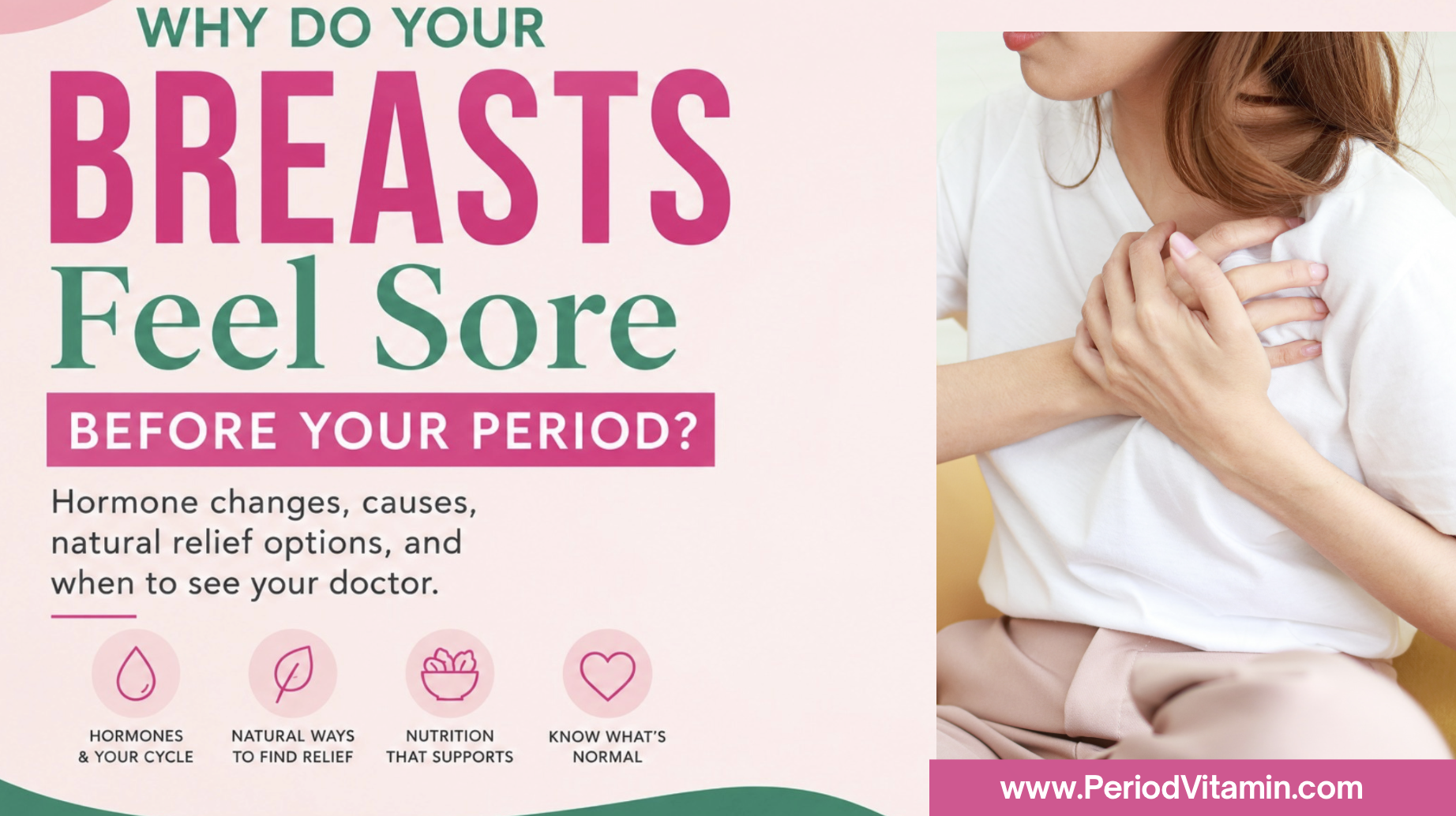
Have you ever noticed that your breasts feel fuller, heavier, or more tender just before your period starts?
If so, you are far from alone. Breast soreness before a period is one of the most common symptoms women experience during the menstrual cycle. For some, it is only a mild tenderness that lasts a day or two. For others, it can make everyday activities like exercising, sleeping on your stomach, or even wearing a bra feel uncomfortable.
Although breast tenderness can be frustrating, it is usually a normal response to the natural hormone changes that happen each month.
According to the Office on Women’s Health, breast tenderness before a period is one of the many common symptoms women may experience as part of premenstrual syndrome (PMS). Understanding what causes these changes can help you feel more confident about what your body is experiencing each month.
As your body prepares for a possible pregnancy, your hormones influence many tissues throughout the body, including your breasts. These temporary changes often disappear once your period begins.
Understanding why your breasts feel sore before your period can help you feel more confident about what your body is doing each month. It can also help you recognize when breast tenderness is likely part of your normal menstrual cycle and when it may be worth discussing with a healthcare provider.
Breast tenderness is just one of many PMS symptoms. If you’ve noticed that your mood, energy, or bloating also changes throughout your cycle, you may also enjoy reading our guide on Why You Get Sore Breasts Before Your Period & What You Can Do About It
In this guide, you’ll learn what causes breast soreness before your period, what symptoms are considered normal, simple ways to support your comfort, and signs that should not be ignored.
Why Do Your Breasts Feel Sore Before Your Period?
The most common reason for breast soreness before your period is the natural rise and fall of reproductive hormones during your menstrual cycle.
After ovulation, your body enters the second half of the cycle, known as the luteal phase. During this time, hormone levels shift as your body prepares for the possibility of pregnancy. Even if you are not trying to become pregnant, these monthly hormonal changes still occur.
Your breasts contain glandular tissue that is very responsive to hormones, especially estrogen and progesterone. As these hormones fluctuate, they can temporarily affect the breast tissue by increasing sensitivity and causing the breasts to feel fuller or slightly swollen.
Many women describe the sensation as:
- fullness
- heaviness
- tenderness
- swelling
- aching
- increased nipple sensitivity
For many women, these symptoms begin about one to two weeks before their period and gradually improve after menstruation starts.
If you notice this same pattern month after month, it is often considered a normal part of the menstrual cycle.
The American College of Obstetricians and Gynecologists (ACOG) explains that normal hormonal fluctuations throughout the menstrual cycle can affect breast tissue and contribute to cyclical breast tenderness in many women.
How Hormones Affect Your Breasts Throughout the Month
Your menstrual cycle is more than just your period. It is a carefully coordinated series of hormonal changes that affect many parts of your body.
During the first half of your cycle, estrogen gradually rises as your body prepares an egg for ovulation. Estrogen encourages the growth of the milk ducts within the breast.
Around the middle of your cycle, ovulation occurs.
After ovulation, progesterone becomes the dominant hormone. Progesterone supports changes in the glandular tissue of the breast, preparing it for the possibility of pregnancy.
The combination of estrogen and progesterone can temporarily increase blood flow, fluid retention, and sensitivity within breast tissue. That is why your breasts may feel different during the second half of your cycle compared with the first.
If pregnancy does not occur, both hormone levels fall just before your period begins. As hormone levels decline, the swelling and tenderness usually fade over the next few days.
This repeating monthly pattern is known as cyclical breast pain, meaning the discomfort follows your menstrual cycle.
Hormonal changes affect much more than your breasts. They also influence your mood, energy levels, skin, sleep, and digestion throughout the month. Learn more in our article on Best Vitamins for Menstrual Wellness, where we explain how key nutrients support your body during every phase of your cycle.
What Does PMS Breast Tenderness Feel Like?
Not every woman experiences breast tenderness in the same way.
Some barely notice it, while others find it one of their most bothersome PMS symptoms.
You might notice that your breasts feel heavier than usual when walking or exercising. Your bra may suddenly feel tighter, even though your weight has not changed. Some women experience a dull ache throughout both breasts, while others mainly notice increased sensitivity around the nipples.
Unlike pain caused by an injury, hormonal breast tenderness usually affects both breasts rather than just one. The discomfort may also extend toward the upper chest or into the area near the armpits where breast tissue naturally continues.
The intensity can also change from month to month. If your PMS symptoms seem different every cycle, you’re not imagining it. Hormone levels naturally fluctuate from month to month, which can affect how you feel. We explain this in more detail in Why PMS Symptoms Can Feel Different Every Month.
One cycle may bring only mild tenderness, while another may feel more uncomfortable. This does not necessarily mean something is wrong. Hormone levels naturally vary from cycle to cycle, which means your symptoms can vary as well.
Why Do Some Women Have Worse Breast Pain Than Others?
If breast tenderness is caused by normal hormones, you might wonder why some women hardly notice it while others struggle every month.
The answer is not always simple.
Every woman’s body responds differently to hormonal changes. Two women may have very similar hormone levels but experience completely different symptoms because their breast tissue responds differently.
Several factors may influence how noticeable breast tenderness feels.
Hormonal sensitivity is one of the biggest reasons. Some women simply have breast tissue that reacts more strongly to normal monthly hormone fluctuations.
Fluid retention can also play a role. During the days before your period, your body may temporarily hold onto more water. This extra fluid can contribute to the feeling of fullness or swelling in the breasts.
Breast tissue itself is another factor. Women with denser glandular tissue sometimes report more cyclical breast discomfort than those whose breasts contain more fatty tissue.
Lifestyle may also influence how symptoms are experienced. High stress, poor sleep, limited physical activity, and a diet that lacks important nutrients can affect your overall health. While these factors are not direct causes of breast tenderness, many women notice that taking better care of themselves helps them feel better throughout their cycle.
Is Breast Soreness Before Your Period Normal?
In most cases, yes.
Breast tenderness before menstruation is considered a normal part of the menstrual cycle and affects millions of women around the world.
The discomfort is usually temporary, affects both breasts, and follows a predictable pattern. It often begins after ovulation, becomes more noticeable in the days leading up to your period, and improves once menstrual bleeding starts.
Knowing this pattern can be reassuring. Instead of worrying each month, you can recognize that your body is responding to its natural hormonal rhythm.
That said, it is also important to pay attention to changes that are different from your usual experience.
If breast pain suddenly becomes much more severe, occurs in only one breast, or continues long after your period has ended, it is a good idea to speak with your healthcare provider. Most breast pain is not linked to breast cancer, but new or unusual symptoms should always be evaluated.
Learning what is normal for your own body is one of the best ways to support your long term breast health.
Can Breast Tenderness Be a Sign of Pregnancy?
One reason breast soreness can sometimes cause confusion is that it is also one of the earliest symptoms of pregnancy.
Both PMS and early pregnancy involve significant hormonal changes, which means the symptoms can feel surprisingly similar. Tender breasts, fatigue, bloating, and mood changes can all occur before a missed period.
The biggest difference is timing.
With PMS, breast tenderness usually improves once your period begins because estrogen and progesterone levels fall.
During early pregnancy, hormone levels continue to rise rather than fall. As a result, breast tenderness may continue or even become more noticeable after a missed period.
Because these symptoms overlap so much, breast tenderness alone cannot tell you whether you are pregnant. If your period is late and pregnancy is possible, taking a home pregnancy test or speaking with your healthcare provider is the most reliable way to find out.
Understanding why your breasts feel sore before your period is the first step toward feeling more confident about your menstrual cycle. In most cases, these changes are simply a reflection of your body’s natural hormone fluctuations.
In the next section, we’ll explore practical ways to support breast comfort, the role nutrition may play in menstrual wellness, when breast pain deserves medical attention, and answer the most common questions women ask about PMS breast tenderness.
Natural Ways to Support Breast Comfort Before Your Period
While you cannot completely stop the hormonal changes that occur during your menstrual cycle, there are healthy habits that may help you feel more comfortable during the days leading up to your period.
Every woman is different. What makes one person feel better may not have the same effect for someone else. The goal is not to eliminate every symptom, but to support your body through the natural changes it experiences each month.
One simple place to start is wearing a supportive bra, especially if your breasts feel heavy or sensitive. A properly fitted bra can reduce movement during daily activities and exercise, making tenderness less noticeable.
Gentle physical activity may also help. It might seem tempting to skip exercise when you’re uncomfortable, but many women find that activities like walking, yoga, cycling, or light strength training help them feel better overall. Regular movement supports healthy circulation, reduces stress, and contributes to overall wellbeing.
Sleep is another important piece of the puzzle. During the week before your period, your body is already working through significant hormonal changes. Getting enough restful sleep gives your body the opportunity to recover and helps support many systems involved in hormone regulation.
Staying hydrated is equally important. While drinking more water won’t directly prevent breast tenderness, good hydration supports normal body function and may help you feel better during the premenstrual phase.
Small daily habits often have a bigger impact than dramatic changes that are difficult to maintain.
One healthy habit that is often overlooked is consistency.
Supporting your body for only a few days before your period is usually less effective than taking care of yourself throughout the entire month. Regular exercise, quality sleep, balanced nutrition, stress management, and consistent nutrient intake all work together to support your overall health.
Many women choose to include Period Vitamin as part of their daily wellness routine because it combines several nutrients commonly associated with women’s nutritional needs into one convenient supplement. It is intended to complement healthy lifestyle habits, not replace them.
Does Nutrition Make a Difference?
Food cannot stop your hormones from changing each month, but good nutrition gives your body the building blocks it needs to function at its best.
Rather than searching for one “miracle food,” focus on eating a balanced diet that includes a variety of nutrient rich foods throughout your cycle.
Try to include plenty of colorful vegetables, fruits, whole grains, lean proteins, healthy fats, beans, nuts, and seeds. These foods provide vitamins, minerals, fiber, and antioxidants that support your overall health.
Some women also notice that eating fewer highly processed foods and limiting excess sodium during the week before their period helps them feel less bloated. While research continues to explore the relationship between diet and PMS symptoms, choosing whole foods more often is a positive step for your health regardless.
Instead of asking, “What food cures breast tenderness?” it may be more helpful to ask, “How can I nourish my body throughout the month?”
That small shift in thinking encourages long term healthy habits instead of quick fixes.
Nutrients That Support Women’s Health
Many nutrients play important roles in normal body function throughout the menstrual cycle.
For example, magnesium supports normal muscle and nerve function and participates in hundreds of biochemical reactions throughout the body.
Vitamin B6 contributes to normal nervous system function and normal hormone activity.
Vitamin D supports immune function, muscle health, and bone health.
Zinc plays a role in immune function, normal cell growth, and reproductive health.
These nutrients are found naturally in a variety of foods, and eating a balanced diet is the best way for most people to meet their nutritional needs.
Some women also choose to use a comprehensive women’s health supplement to help fill nutritional gaps. Supplements are not intended to treat or cure PMS symptoms, but they can be one part of an overall wellness routine when used alongside healthy eating and other lifestyle habits.
If you are considering a dietary supplement, it is always a good idea to discuss your individual needs with your healthcare provider, especially if you are pregnant, breastfeeding, or taking medications.
A Comprehensive Approach to Menstrual Wellness
While eating a balanced diet is the foundation of good health, many women find it difficult to get enough key vitamins and minerals every day. Busy schedules, food preferences, and changing nutritional needs can all make it challenging to consistently meet recommended nutrient intake.
That’s one reason some women choose a comprehensive menstrual wellness supplement alongside a healthy lifestyle.
Period Vitamin was created to provide a blend of vitamins, minerals, and herbal ingredients that support women’s overall nutritional health throughout the menstrual cycle. Rather than focusing on just one symptom, it is designed to complement a balanced diet and support overall menstrual wellness.
No supplement can prevent or cure breast tenderness before your period, but maintaining good nutritional habits may help support your body’s normal functions throughout every phase of your cycle.
Can Stress Make Breast Tenderness Feel Worse?
Many women notice that everything feels more intense during stressful periods of life.
Although stress does not directly cause hormonal breast tenderness, it can influence how you experience discomfort.
When you’re under constant stress, sleep often suffers, healthy eating becomes more difficult, and physical activity may decrease. Together, these changes can affect your overall wellbeing and make PMS symptoms feel harder to manage.
Finding healthy ways to reduce stress may support your overall menstrual wellness.
This could be as simple as taking a daily walk, practicing yoga, journaling, meditating, reading a book, or spending time outdoors. You don’t need a perfect routine. Even a few minutes of intentional self care each day can make a difference.
When Should You See a Healthcare Provider?
Most breast soreness before your period is completely normal.
However, it is important to know when breast pain should be evaluated.
You should contact a healthcare provider if you notice a new lump that does not go away after your period, pain that affects only one breast, bloody or unusual nipple discharge, skin changes such as dimpling or persistent redness, or breast pain that continues long after your period has ended.
It is also worth scheduling an appointment if your symptoms suddenly become much more severe than usual or begin interfering with your daily life every month.
Most breast pain is not caused by breast cancer. In fact, cyclical breast pain is very common and is usually related to hormonal changes. Still, becoming familiar with what is normal for your own body makes it easier to recognize when something has changed.
The American Cancer Society explains that most breast pain is not a sign of breast cancer. However, new lumps, persistent breast changes, nipple discharge, or pain that does not follow your normal menstrual cycle should always be evaluated by a healthcare professional.
Never hesitate to speak with your healthcare provider if you have concerns. Peace of mind is always worthwhile.
Frequently Asked Questions
Hormonal changes after ovulation cause breast tissue to become more sensitive. Many women notice tenderness, fullness, or swelling during the week or two before menstruation.
For most women, breast soreness begins after ovulation and gradually improves within the first few days of their period.
Yes. Hormonal breast tenderness usually affects both breasts. Pain in only one breast should be discussed with your healthcare provider, especially if it is new or persistent.
Absolutely. Hormone levels naturally fluctuate from one cycle to another, so your symptoms may also vary. Some months you may barely notice tenderness, while other months it may feel more uncomfortable.
Regular physical activity supports overall health, healthy circulation, and stress management. While exercise may not eliminate breast tenderness, many women find that staying active helps them feel better throughout their menstrual cycle.
There is no dietary supplement that is guaranteed to prevent breast tenderness before your period. A balanced diet remains the foundation of good health. Some women choose supplements to help support their nutritional intake as part of an overall wellness routine.
Final Thoughts
Breast soreness before your period can be uncomfortable, but for most women it is simply one of the many ways the body responds to its natural monthly hormone cycle.
Understanding why these changes happen can replace uncertainty with confidence. Instead of wondering whether something is wrong every month, you can recognize the familiar rhythm of your own cycle and better understand what your body is telling you.
The best approach is not to search for a quick fix but to support your health consistently. Eating a balanced diet, staying active, getting enough sleep, managing stress, and paying attention to your body’s patterns all contribute to overall menstrual wellness.
At the same time, remember that every woman is different. Your cycle is unique, and what feels normal for someone else may not be normal for you. If you notice new, unusual, or persistent breast changes, don’t ignore them. A conversation with your healthcare provider can provide reassurance and ensure that any concerns are properly evaluated.
Your menstrual cycle is not something your body does to you. It is something your body does for you. Learning to understand it is one of the most valuable investments you can make in your long term health.